

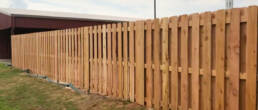
Many homeowners in Yukon explore DIY fence installation to control costs and customize their property boundaries. The idea of handling the project personally appeals to those who enjoy hands-on work and want to avoid contractor scheduling. However, challenges arise quickly when local soil conditions, temperature swings, and storm patterns come into play. Fence Concepts & Construction has seen countless projects where initial savings disappear due to premature failures. Treated wood often sits at the center of these issues, promising affordability but delivering ongoing headaches instead of reliable performance.
Yukon properties face unique demands from shifting ground moisture and strong winds that test any fence system. Skipping professional guidance means risking uneven posts, sagging panels, and repairs that cost more over time than a properly built structure from the start.
The Appeal and Risks of Tackling Fence Installation Yourself in Yukon
DIY fence projects attract attention because they appear straightforward on paper. Homeowners select materials at local suppliers, follow basic online guides, and picture a completed enclosure in a single weekend. In Yukon, where properties range from suburban lots to larger rural settings, the desire for privacy or pet containment drives many to begin digging post holes without expert assessment. Initial excitement fades when unexpected variables surface, such as rocky soil layers that resist standard digging tools or hidden utility lines that complicate layout.
Temperature fluctuations common across Yukon seasons cause materials to expand and contract unevenly during DIY builds. Without calibrated tools or experience measuring post depth for wind load, fences lean or twist after the first heavy gust. Homeowners discover too late that surface-level installation fails to anchor against the ground movement typical in the region. What starts as a budget-friendly weekend project often requires professional intervention within the first year, erasing any perceived savings and adding frustration.
Fence Concepts & Construction notes that proper planning accounts for these factors from day one. DIY approaches rarely incorporate engineering calculations for post spacing or concrete strength tailored to local conditions. The result appears functional at first glance but reveals weaknesses when seasonal changes accelerate wear.
Why Treated Wood Falls Short for Long-Lasting Fences in Yukon
Key Problems with Treated Wood in Local Conditions
- Warping and twisting occur rapidly due to Yukon’s alternating hot, humid summers and freezing winters, causing boards to pull away from rails and create gaps.
- Cracking develops from intense UV exposure that dries out the surface while internal moisture remains, leading to splintered edges and weakened structural integrity.
- Rot sets in at ground contact points when moisture penetrates beyond the initial chemical treatment, especially in areas with periodic heavy rainfall.
- Insect damage persists if the treatment level varies across boards purchased in bulk, leaving vulnerable spots that compromise the entire fence line.
- Uneven shrinkage creates visible bowing between posts, particularly noticeable on longer runs common in Yukon backyards.
Treated wood, typically pressure-treated pine or similar softwoods, receives chemical preservatives intended to deter decay. In practice across Yukon installations, these preservatives provide only temporary protection against the region’s variable climate. Freeze-thaw cycles expand and contract the wood fibers, breaking down the treatment layer faster than expected. Homeowners attempting DIY often select standard grades without verifying penetration depth, resulting in boards that fail unevenly along the fence.
Maintenance Demands That DIYers Often Overlook
Treated wood requires regular sealing and staining to maintain any semblance of protection, yet many DIY projects skip this step after initial setup. Annual applications become necessary to combat fading and surface checking, adding labor and material costs that accumulate quickly. In Yukon, where summer heat accelerates drying, untreated sections develop mold or mildew that spreads during humid periods. Fence Concepts & Construction observes that these ongoing requirements turn a one-time project into a recurring chore that consumes weekends better spent on other priorities.
Compared to alternatives, treated wood demands more frequent inspections for loose fasteners and split rails after storms. The initial lower purchase price misleads many into underestimating the total investment over five to ten years. Professional evaluations reveal that treated wood fences installed without specialized techniques rarely exceed a decade of service before major sections need replacement.
Superior Material Choices That Outperform Treated Wood in Yukon
Fence Concepts & Construction recommends materials engineered for extended performance rather than short-term affordability. Western Red Cedar stands out for residential privacy fences because its natural oils resist moisture absorption and insect activity without added chemicals. This species maintains dimensional stability through Yukon’s seasonal shifts, holding straight lines and tight joints year after year. Cedar fences deliver classic appearance while requiring less frequent upkeep than treated alternatives.
Vinyl and composite options provide another level of convenience for Yukon homeowners seeking low-maintenance boundaries. These materials withstand UV degradation and temperature extremes without warping or fading noticeably. Composite boards mimic wood grain yet eliminate the need for staining, making them ideal for busy properties where time constraints matter. Ornamental iron and heavy-gauge chain link systems offer security-focused solutions that endure high winds and ground movement far better than wood constructions.
Each material selection benefits from matching post systems and hardware rated for local conditions. Steel-reinforced posts set in reinforced concrete deliver the foundational strength that treated wood fences lack. Fence Concepts & Construction selects combinations based on property needs—privacy, containment, or aesthetics—ensuring the finished structure performs reliably without constant attention.
The Critical Role of Expert Installation Techniques for Fences in Yukon

Proper installation transforms quality materials into durable assets. Fence Concepts & Construction follows engineering-driven processes that account for soil composition, wind exposure, and drainage patterns specific to Yukon properties. Post holes reach calculated depths that prevent shifting during freeze-thaw events, while concrete mixes provide the exact strength needed for load-bearing.
What Sets Professional Setup Apart
- Precise layout measurements incorporate property lines, utility clearances, and grade changes to eliminate future adjustments.
- Heavy-duty steel posts replace basic wood supports, distributing weight evenly and resisting lateral forces from strong gusts.
- Reinforced framing techniques lock panels securely, preventing sagging even after repeated storm exposure.
- Wind-conscious bracing distributes pressure across the entire structure rather than concentrating stress at single points.
- One-year workmanship coverage guarantees prompt correction of any installation-related issues that arise.
DIY installations rarely achieve these standards because standard tools and methods overlook subtle terrain variations. In Yukon, where sudden storms test structural limits, amateur post setting leads to leaning sections that worsen over time. Expert crews complete projects efficiently while maintaining consistent quality across every segment.
Comparing Long-Term Costs and Performance of Fence Options in Yukon
Initial material prices for treated wood appear attractive, yet the full picture includes repeated repairs and eventual replacement. Fences built with inferior lumber show visible deterioration within three to five years, prompting costly fixes or complete overhauls. Professional installations using premium materials extend service life significantly, reducing the frequency of interventions and preserving property value.
Performance metrics favor cedar, vinyl, and metal systems in Yukon conditions. These options maintain alignment and appearance through multiple seasons without the constant monitoring required for treated wood. Homeowners who invest upfront in expert guidance avoid the cycle of patch repairs that disrupt landscaping and daily routines. Over a decade, the total expenditure for a professionally built fence typically falls below the cumulative costs associated with DIY treated wood failures.
Fence Concepts & Construction structures solutions around proven durability rather than temporary fixes. Each project begins with site assessment that identifies potential weak points, allowing adjustments before construction begins. This proactive approach delivers fences that require minimal intervention while providing consistent privacy, security, or containment.
Ensuring Your Fence Withstands Yukon Weather with the Right Approach
Yukon weather patterns demand foresight in material and installation choices. Summer heat combined with occasional heavy rains tests moisture resistance, while winter freezes challenge structural integrity. Professional designs incorporate features that mitigate these stresses, such as elevated base rails that reduce ground contact and specialized coatings that protect against UV damage.
Essential Features for Weather Resilience
- Deep-set foundations that anchor against soil movement during temperature changes.
- Spacing calculations that account for wind loads typical in open Yukon areas.
- Material selections rated for humidity resistance to prevent swelling or contraction issues.
- Drainage considerations that direct water away from post locations.
- Regular maintenance schedules tailored to chosen materials rather than generic advice.
Treated wood struggles under these conditions because its protective layer degrades unevenly. In contrast, systems built by Fence Concepts & Construction integrate components that work together as a cohesive unit. The result stands firm through seasonal extremes and requires attention only at planned intervals.
Making the Smart Choice for Fencing in Yukon
Homeowners ready to move beyond DIY uncertainties benefit from consulting experienced professionals who understand local requirements. Fence Concepts & Construction delivers tailored fencing solutions that prioritize longevity and performance over short-term convenience. Properties gain secure, attractive boundaries that enhance curb appeal while standing up to regional demands.
Ready to skip the risks of treated wood and DIY installation? Contact Fence Concepts & Construction today for a free estimate and explore durable fencing options designed specifically for your Yukon property.
Ready to Get Started? Get a Free Estimate Today!
Whether you’re upgrading, repairing, or installing new fencing, we’re ready to help. Contact us for a free estimate and expert guidance from our trusted fence professionals.
Like this article? Spread the word!
Related Posts

7 Signs It’s Time to Repair or Replace Your Fence in Oklahoma City
Not sure if your fence needs repair or replacement? Check these 7 signs, then Get a Free…
Western Red Cedar vs. Japanese Cedar: Which Fence Boards Hold Up in Oklahoma?
Western Red Cedar or Japanese cedar? See which fence boards hold up to Oklahoma weather,…

Fence Concepts & Construction’s Guide to Oil & Gas Site Fencing in El Reno, OK
Need oil and gas site fencing in El Reno, OK? Explore materials, gates, and security…