

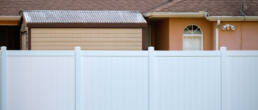
Vinyl fencing has become a popular option across the country for its clean appearance and low maintenance, but Oklahoma’s climate is a legitimate test for any fencing material. Between intense summer heat, strong seasonal winds, and the occasional ice storm, it is fair to ask whether vinyl fencing actually holds up here the way it does in milder climates. Plenty of homeowners have installed vinyl elsewhere and heard mixed opinions about how it performs in a state known for unpredictable weather, so it is a reasonable question to ask before investing in a new fence. Here is an honest look at how vinyl performs locally, what affects its long-term durability, and where it fits best compared to other materials we install throughout Oklahoma.
How Vinyl Fencing Performs in Hot Oklahoma Summers
Vinyl fencing is generally resistant to sun damage in ways that wood is not, since it will not rot, splinter, or need repainting after years of UV exposure. However, extreme heat can still affect vinyl over time, particularly with lower-quality products. Cheaper vinyl can become brittle or discolored after repeated exposure to intense sun, while higher-grade vinyl with proper UV inhibitors holds its color and flexibility much longer, even after multiple Oklahoma summers.
Temperature swings matter too, not just peak heat. Vinyl expands and contracts as temperatures shift between a hot afternoon and a cool evening, and panels that are not installed with proper expansion gaps can develop stress cracks over time. This is one of the reasons installation experience matters as much as the product itself.
What to Look For in Heat-Resistant Vinyl
- UV-stabilized vinyl formulated to resist fading and brittleness
- Thicker panel walls that resist warping in high heat
- Manufacturer warranties that specifically address sun and heat exposure
- A track record of use in similarly hot, sunny climates
Not all vinyl fencing is manufactured to the same standard, so the quality of the product matters just as much as the installation when it comes to summer performance.
How Vinyl Handles Oklahoma Wind and Storms
Wind resistance is where vinyl fencing draws the most questions in Oklahoma, and for good reason. Solid vinyl panels present a large, flat surface to wind, similar to a wood privacy fence, which means high winds can put real stress on posts and panels during severe weather. Quality vinyl systems address this with reinforced posts, deeper footings, and sometimes aluminum inserts within the vinyl rails to add rigidity without sacrificing the finished look. Manufacturers in wind-prone regions have gotten better over the years at engineering panels specifically to flex slightly rather than crack under sudden gusts.
Wind-Resistant Installation Factors
- Post depth and footing size appropriate for solid panel fencing
- Reinforced rail systems, including aluminum inserts where needed
- Panel design that allows some flex rather than rigid resistance alone
- Proper spacing and bracing at corners and gate posts
Installation quality plays a larger role in wind performance than the material itself. A properly installed vinyl fence with adequate post depth can perform reasonably well in Oklahoma conditions, but a poorly installed one, with shallow footings or standard residential-grade posts, is far more likely to see panel or post failure during severe weather. This is one of the main reasons we recommend asking any installer directly about post depth and footing specifications before signing a contract, rather than assuming all vinyl installations are built to the same standard.
Comparing Vinyl to Wood and Composite in Local Conditions

Vinyl is often compared directly to wood fencing and composite fencing, since all three can be used for privacy and offer similar aesthetics. Wood requires the most ongoing maintenance, including staining and sealing, but offers a traditional look, more design flexibility, and is widely available locally at a lower upfront cost. Composite tends to split the difference, offering a low-maintenance option with a more natural wood-like appearance and texture, though typically at a higher price point than either wood or vinyl.
Vinyl sits in an interesting middle ground of its own. It generally costs more than a basic wood fence but less than composite, while requiring far less upkeep than wood over the life of the fence. For homeowners weighing long-term cost rather than just upfront price, the maintenance savings on vinyl can offset the higher initial investment within a handful of years, depending on how much staining and repair a comparable wood fence would otherwise need.
A Quick Side-by-Side Look
- Wood: lower upfront cost, higher maintenance, natural appearance, most design flexibility
- Vinyl: low maintenance, moderate upfront cost, limited color and texture options
- Composite: low maintenance, higher upfront cost, more natural wood-like texture
For homeowners who want a clean, uniform look without staining or sealing, vinyl remains a strong contender, provided the product quality and installation account for Oklahoma’s wind and heat. It is worth noting that price alone is not a reliable way to compare these three materials, since a premium wood fence with quality cedar can cost more than an entry-level vinyl system, and a basic composite product may not outperform a well-built vinyl fence despite a higher price tag.
Where Vinyl Fits Best on Oklahoma Properties
Vinyl tends to perform best in specific applications rather than as a universal solution for every property. It works particularly well for backyard privacy sections, pool enclosures, and front-yard fencing where a clean, consistent appearance matters and wind exposure is more moderate, such as properties with some tree cover, structures, or surrounding fencing that helps break up direct wind. It is less commonly recommended for very large, open, or highly exposed properties where wind load becomes a bigger factor across long unbroken spans of solid panel, particularly in rural areas with no windbreaks nearby.
Good Fits for Vinyl in Oklahoma
- Backyard privacy fencing around patios and pools
- Front-facing fences where curb appeal and low maintenance are priorities
- Properties in HOA communities with specific appearance requirements
- Shorter to moderate fence runs rather than extremely long, exposed lines
For larger commercial or industrial sites, materials like chain link or metal fencing tend to be a more practical and cost-effective choice, since open designs handle wind more efficiently across long perimeters and typically cost less to install at scale.
Installation and Long-Term Care Tips for Vinyl in Oklahoma
Getting the most out of a vinyl fence in Oklahoma comes down to a few details that are easy to overlook if you are comparing quotes based on price alone. Post depth matters significantly more for solid panel fencing than it does for open designs like chain link, since wind load is concentrated across a much larger surface area. Footings that are appropriately sized and set below the frost line give the fence a much better chance of standing up to both summer storms and winter freeze-thaw cycles.
What Helps Vinyl Perform Well Long-Term
- Properly sized post footings set to an adequate depth for the local soil
- Expansion gaps built into panel installation to accommodate temperature swings
- Occasional cleaning to prevent dirt and pollen buildup on the surface
- Prompt attention to any cracked panels before minor damage spreads
Vinyl fencing generally requires far less hands-on maintenance than wood, but it is not entirely maintenance-free. A simple rinse with a hose a few times a year keeps panels looking new, and checking posts after major storms helps catch any shifting early, before it becomes a bigger repair.
HOA and Neighborhood Considerations
Many Oklahoma City area HOAs have specific guidelines about fence appearance, and vinyl is frequently an approved material because of its clean, consistent look and long-term durability. Associations often favor vinyl over chain link for front and side yards specifically because it presents a more finished, uniform appearance across an entire neighborhood, which helps maintain consistent curb appeal from one property to the next.
If your property is part of an HOA community, it is worth checking the specific guidelines before finalizing a material choice, since some communities have preferences around color, height, or style that can affect which vinyl products qualify. Approved color palettes tend to be fairly neutral, typically white, tan, or gray tones, so it is worth confirming your preferred style falls within what your association allows before ordering materials. Our HOA perimeter fencing experience covers exactly this kind of coordination, helping make sure your new fence meets community standards from the start rather than requiring changes after installation.
Vinyl Fencing Quick Take
If you are weighing vinyl against other materials for an Oklahoma property, here is a simple way to think through it:
- Want low maintenance with a clean, uniform appearance: vinyl is a strong option
- Concerned about wind exposure on a large open property: consider chain link or metal instead
- Want a natural wood look without the upkeep: composite may be worth the extra cost
- Installing in an HOA community: vinyl is often already an approved material
- Choosing a vinyl product: prioritize UV-stabilized panels and reinforced posts over price alone
The right choice ultimately depends on your property’s exposure, your maintenance preferences, and your budget, and our team can walk you through samples and options specific to your situation. Properties with more wind exposure, larger open lots, or long unbroken fence runs tend to benefit from a conversation about wind load before committing to a solid panel material, regardless of whether that material is vinyl, wood, or composite.
Talk to a Local Fencing Team Before You Decide
We have installed fencing throughout Oklahoma City and surrounding communities since 2008, and we know which vinyl products and installation methods actually hold up to local weather rather than just looking good on a spec sheet. Whether vinyl turns out to be the right fit for your property or another material makes more sense, our team will give you an honest recommendation based on your specific site, sun exposure, and wind conditions rather than pushing whichever product happens to be easiest to install.
If you are considering vinyl fencing or want to compare materials for your property, Get a Free Estimate and we will help you choose the option that will actually perform well for years to come.
Ready to Get Started? Get a Free Estimate Today!
Whether you’re upgrading, repairing, or installing new fencing, we’re ready to help. Contact us for a free estimate and expert guidance from our trusted fence professionals.
Like this article? Spread the word!
Related Posts
Western Red Cedar vs. Japanese Cedar: Which Fence Boards Hold Up in Oklahoma?
Western Red Cedar or Japanese cedar? See which fence boards hold up to Oklahoma weather,…

Fence Concepts & Construction’s Guide to Oil & Gas Site Fencing in El Reno, OK
Need oil and gas site fencing in El Reno, OK? Explore materials, gates, and security…

What’s the Best Time of Year to Install a Fence in Oklahoma?
Wondering when to install a fence in Oklahoma? See how each season affects your project,…